Reflexology for Hormone Balance, Stress & Perimenopause Support
There comes a point when your body whispers…
Then nudges…
Then demands that you slow down.
It was something I needed.
As I began navigating perimenopause, anxiety, sleep disruption and hormonal changes, I knew I needed something deeper than just “coping.”
I needed regulation.
Grounding.
Nervous system support.
That’s when I started reflexology treatment myself.
And the difference has been powerful.
What Is Reflexology?
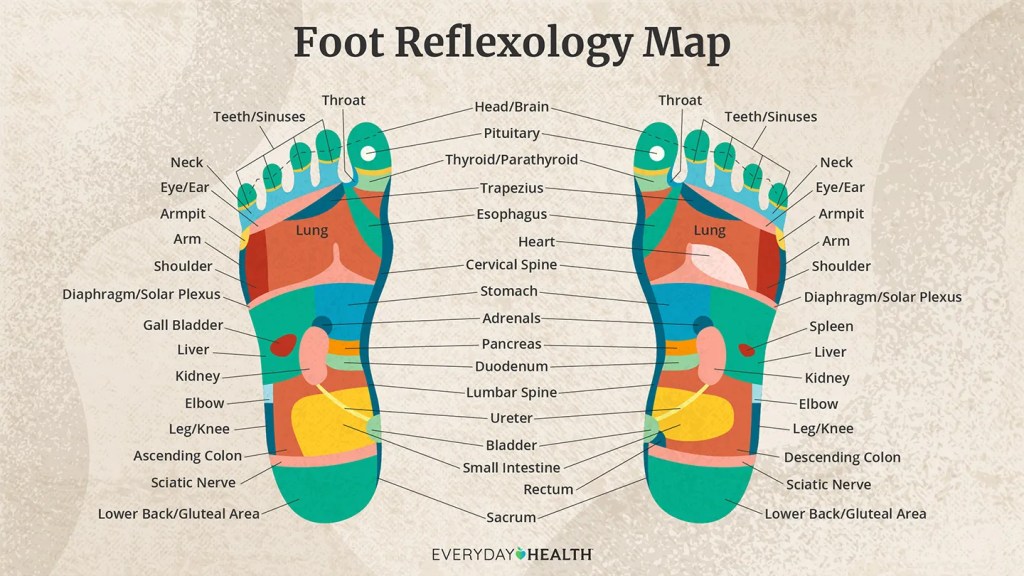
Reflexology is a holistic therapy that works on specific pressure points in the:
- Feet
- Hands
- Face
These reflex points correspond to different organs, glands and systems within the body — including:
- Ovaries
- Uterus
- Pituitary gland
- Thyroid
- Adrenal glands
- Digestive system
- Nervous system
By gently stimulating these areas, reflexology aims to:
- Support hormonal balance
- Calm the nervous system
- Improve sleep
- Reduce anxiety
- Improve circulation
- Encourage the body’s natural healing response
It is deeply relaxing — but it’s also incredibly regulating.
Reflexology & Perimenopause
Hormonal changes can feel chaotic.
Reflexology works by supporting the body as a whole — not just one symptom.
Many women seek reflexology for:
- Hot flushes
- Anxiety
- 3am waking
- Brain fog
- Bloating
- Mood swings
- Fatigue
- Hormonal imbalance
The beauty of reflexology is that it does not force the body.
It supports it.
And during perimenopause, that gentle support matters.
My Personal Reflexology Journey
- Foot reflexology
- Facial reflexology
- Hand reflexology
What I noticed:
- A deep sense of calm I hadn’t felt in months
- Reduced anxiety levels
- Better sleep quality
- Feeling emotionally steadier
- Less internal “buzzing”
Facial reflexology in particular felt incredibly powerful for stress and hormone regulation.
It felt like someone had turned the volume down on my nervous system.
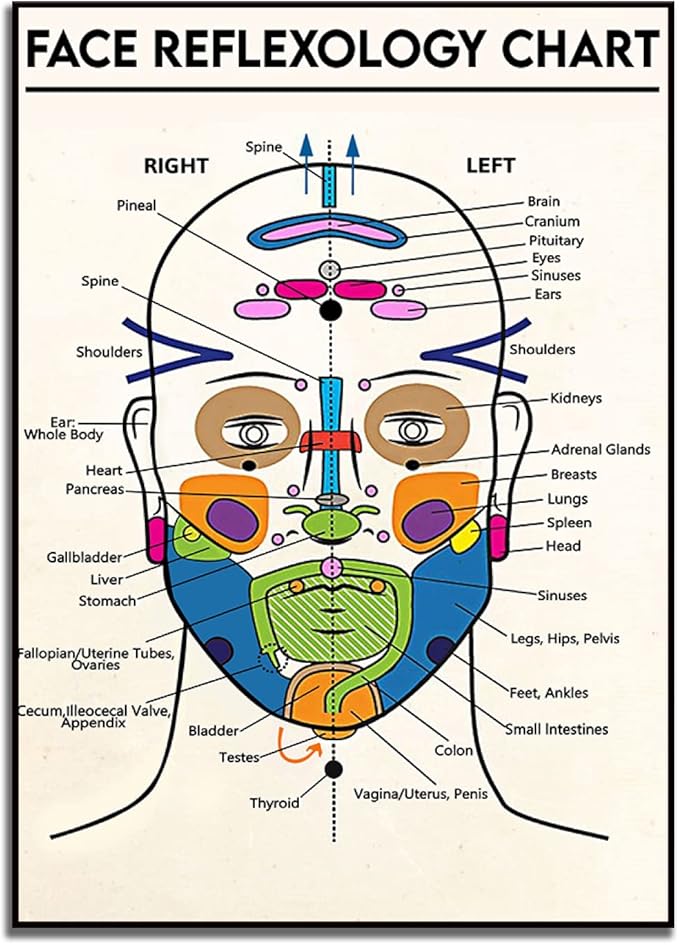
Facial Reflexology: A Powerful Nervous System Reset
Facial reflexology works on reflex points on the face that correspond to the body’s organs and hormonal system.
Benefits may include:
- Deep relaxation
- Reduced stress and anxiety
- Improved circulation
- Hormonal support
- Brighter skin
- Reduced jaw tension
- Improved sleep
Because the face is rich in nerve endings, the calming effect can be profound.
Many clients describe it as:
“Like meditation without having to try.”
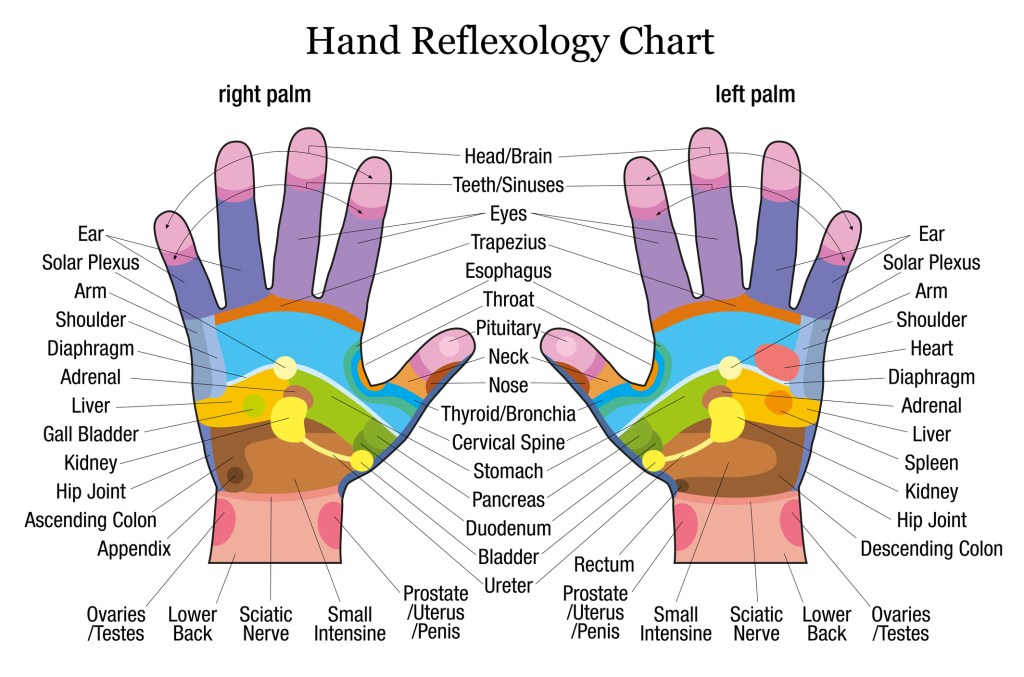
Hand Reflexology: Subtle but Effective
Hand reflexology is gentle but powerful.
It can be particularly helpful for:
- Stress relief
- Digestive support
- Hormonal balance
- Supporting the adrenal glands
- Reducing tension
It’s also something you can easily incorporate between appointments.
How Reflexology Supports the Nervous System
Perimenopause is not just hormonal.
It’s neurological.
Estrogen influences serotonin and cortisol — your mood and stress hormones.
When hormones fluctuate, your nervous system becomes more reactive.
Reflexology helps shift the body from:
Fight or flight
Into
Rest and repair
This is where healing begins.
Simple Reflexology Techniques You Can Use at Home
While nothing replaces a professional session, there are gentle techniques you can use day-to-day to support yourself between appointments.
1. Solar Plexus Calm Technique (Feet)
- Sit comfortably
- Find the soft area in the centre of your foot (below the ball of the foot)
- Apply gentle circular pressure for 1–2 minutes
- Breathe slowly
This can help reduce anxiety and emotional overwhelm.
2. Thumb Walking Along the Spine Reflex (Feet)
- On the inside edge of your foot (from heel to big toe)
- Use your thumb to gently press and walk upward
- Repeat slowly
This supports the nervous system and spinal tension.
3. Hand Hormone Support Point
- Massage the fleshy area below your thumb
- Use circular pressure for 1–2 minutes
- Focus on slow breathing
This area corresponds to stress and adrenal support.
Perfect during moments of overwhelm.
4. Facial Relaxation Point
- Gently massage along the jawline
- Apply light circular pressure
- Slow your breath
This can reduce jaw tension and calm the nervous system.
What to Expect From a Reflexology Session
A typical session includes:
- A calm, private environment
- Gentle pressure techniques
- Deep relaxation
- Time to unwind fully
Many women fall into a deeply relaxed state.
Some feel emotional release.
Some feel lighter.
Some simply feel peaceful.
Your body will respond in its own way.
Reflexology Is Not a Luxury. It’s Support.
In a world where women are told to “just get on with it,” reflexology offers something different.
It offers:
Permission to pause.
Permission to rest.
Permission to receive support.
Especially during perimenopause and hormonal change, this matters more than ever.
Is Reflexology Right for You?
If you are:
- Feeling anxious
- Not sleeping
- Navigating perimenopause
- Feeling hormonally imbalanced
- Experiencing stress or burnout
- Wanting natural support alongside medical care
Reflexology may be a powerful addition to your wellness routine.
 Melissa’s Low Fodmap Plan Web Book