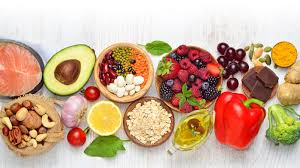
What is cholesterol?
Cholesterol, a waxy and fat-like substance found in all cells of the body, plays a crucial role in various bodily functions. While the liver produces cholesterol, it is also present in certain foods like meat and dairy products. Although some cholesterol is necessary for proper bodily functions, having an excess of it in the bloodstream raises the risk of coronary artery disease.
Two types of lipoproteins, LDL (low-density lipoprotein) and HDL (high-density lipoprotein), are involved in cholesterol transport. LDL, known as the “bad” cholesterol, can lead to the buildup of cholesterol in the arteries, contributing to a condition called atherosclerosis. On the other hand, HDL, referred to as the “good” cholesterol, carries cholesterol from other body parts back to the liver, where it is removed from the body.
Having a high LDL level can significantly raise the risk of coronary artery disease and other related conditions. The excess LDL, combined with other substances, forms plaque, which accumulates in the arteries, causing them to narrow and harden. This process impedes the blood flow to the heart, resulting in insufficient oxygen supply, leading to angina (chest pain) or, in severe cases, a heart attack when the blood flow is completely blocked. Managing LDL cholesterol levels is essential in reducing the risk of cardiovascular diseases and maintaining heart health.
HDL (high-density lipoprotein) cholesterol, sometimes called “good” cholesterol, absorbs cholesterol in the blood and carries it back to the liver. The liver then flushes it from the body. High levels of HDL cholesterol can lower your risk for heart disease and stroke. LDL (low-density lipoprotein) cholesterol, sometimes called “bad” cholesterol, makes up most of your body’s cholesterol. High levels of LDL cholesterol raise your risk for heart disease and stroke.
WHAT FOODS TO EAT TO LOWER CHOLESTEROL LEVELS
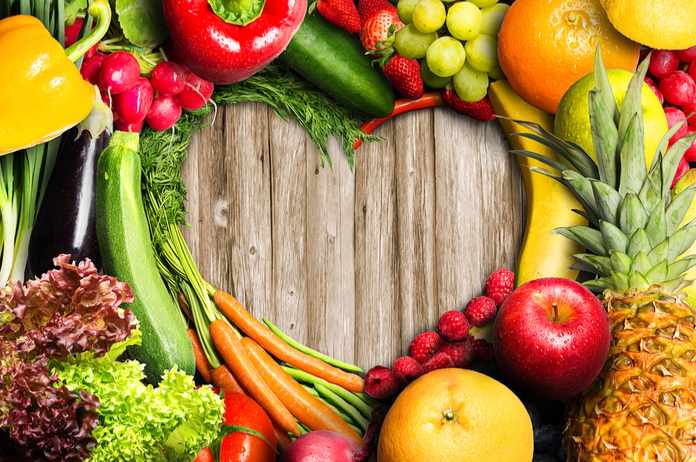
Include a variety of heart-healthy foods in your diet, such as;
Oats, barley, whole grains, beans, eggplants, nuts, and vegetable oils like olive oil, avocado oil, and rapeseed oil.
Additionally, incorporating fruits like;
Apples, grapes, strawberries, and citrus fruits can be beneficial.
Fatty fish rich in omega-3 fatty acids is another great option to support heart health. Boost your fiber intake by including fiber supplements. Moreover, consider foods fortified with sterols and stanols, which are plant-derived substances known to inhibit the body’s cholesterol absorption. Companies are now incorporating them into products like margarine, granola bars, orange juice, and chocolate. If needed, supplements containing plant sterols or stanols are also available. Consuming around 2 grams of these substances daily can lead to a significant reduction of LDL cholesterol levels by approximately 10%.

Foods to avoid if you have high cholesterol due to their high saturated fat content include:
Red meat, such as beef, pork, and lamb, as well as processed meats like sausages.
Full-fat dairy products like cream, whole milk, and butter.
Baked goods and sweets that often contain unhealthy fats.
Fried foods, which can be high in unhealthy trans fats.
Tropical oils like palm oil and coconut oil, which are rich in saturated fats.
Butter, as it is also high in saturated fat.
Limiting or avoiding these foods can help in managing high cholesterol levels and reduce the risk of related health issues. Instead, opt for heart-healthy alternatives that are low in saturated and trans fats, such as lean proteins, low-fat dairy, whole grains, and unsaturated fats found in olive oil, avocados, and nuts.

 Melissa’s Low Fodmap Plan Web Book